History & culture
Every time we kick a ball, roll dice, or watch an athletic competition, we’re participating in traditions that stretch back thousands of years. Sports, leisure activities, and games aren’t mere entertainment—they’re windows into human civilization itself. They reveal how societies organized themselves, what values they cherished, and how communities bonded across generations. From ancient Olympic ceremonies to medieval board games, these activities have shaped cultures and been shaped by them in return.
Understanding the historical and cultural dimensions of sports and games enriches our appreciation of these activities today. This exploration examines how physical contests and recreational pastimes emerged across different eras, why certain traditions became embedded in cultural identities, and how historical innovations continue to influence modern entertainment. Whether you’re curious about the origins of your favorite pastime or seeking to understand sport’s role in society, this comprehensive look at history and culture provides the foundation.
The Ancient Roots of Sports and Games
Physical contests and structured play existed long before written records, emerging from fundamental human needs for skill development, social bonding, and ritualistic expression. Archaeological evidence reveals that our ancestors engaged in organized activities that combined physical prowess with cultural meaning.
Early Civilizations and Athletic Traditions
The ancient Greeks formalized athletic competition in ways that still resonate today. The Olympic Games, first recorded in 776 BCE, weren’t simply sporting events—they were religious festivals honoring Zeus, complete with sacred truces that halted wars. Athletes competed naked as a celebration of the human form, and victors received olive wreaths rather than material prizes, emphasizing honor over wealth. Similarly, ancient Egypt featured wrestling and swimming competitions depicted in tomb paintings, while Mesoamerican cultures developed the ceremonial ball game that carried profound spiritual significance, sometimes determining political outcomes.
Games of Strategy and Chance
Board games emerged alongside athletic pursuits, offering intellectual challenges that transcended social classes. The Royal Game of Ur, dating back nearly 4,500 years, combined strategy with dice throws, reflecting beliefs about fate and free will. Ancient Egyptians played Senet, a game so culturally important it appeared in religious texts as a metaphor for the journey to the afterlife. Chess evolved from the Indian game Chaturanga around the 6th century, spreading along trade routes and adapting to each culture it encountered—demonstrating how games served as cultural ambassadors between civilizations.
Practical Origins of Recreational Activities
Many leisure pursuits originated from survival skills transformed into competition. Archery evolved from hunting necessity to prestigious sport. Horse racing developed from military training exercises. Even children’s games like tag likely derived from predator-evasion training. This transformation from practical necessity to recreational enjoyment reveals a universal human tendency: once basic needs are met, we transform essential skills into playful challenges that build community and demonstrate excellence.
Cultural Significance Across Civilizations
Sports and games have never existed in cultural vacuums—they both reflect and reinforce the values, social structures, and identities of the societies that embrace them. Examining these cultural dimensions reveals why certain activities resonate deeply within specific communities.
Sports as Social Identity Markers
Throughout history, particular sports became inseparable from cultural identity. Sumo wrestling in Japan transcends athletic competition, incorporating Shinto rituals and embodying concepts of honor and tradition that define aspects of Japanese culture. Similarly, cricket’s spread through the British Empire created lasting cultural connections, with nations like India and the West Indies adopting and transforming the sport into expressions of post-colonial identity. These activities become repositories of collective memory, carrying stories and values from one generation to the next.
Games Reflecting Social Hierarchies
The types of leisure activities people engaged in historically revealed and reinforced social structures. In medieval Europe, hunting and hawking were aristocratic privileges, while common people played folk football—a chaotic, village-wide contest with few rules. Card games in Renaissance Italy stratified along class lines, with elaborate hand-painted tarot decks for nobility and simpler printed cards for merchants and workers. Even access to play spaces carried social meaning, with exclusive clubs and public commons creating distinct recreational ecosystems that mirrored broader societal divisions.
How Traditional Games Shaped Modern Entertainment
The leisure activities we enjoy today didn’t emerge from nothing—they evolved from traditional pastimes through centuries of refinement, standardization, and cultural exchange. Tracing these evolutionary paths reveals surprising connections between ancient diversions and contemporary entertainment.
Consider how traditional ball games from various cultures contributed to modern sports. Medieval European football—wildly chaotic by today’s standards—gradually developed rules and boundaries, eventually splitting into soccer, rugby, and American football, each emphasizing different aspects of the original game. Traditional stick-and-ball games evolved into baseball, cricket, and hockey, with each culture adapting the basic concept to local preferences and available spaces.
Board games underwent similar evolution. Traditional games of position and capture influenced modern strategy games, while gambling games developed into everything from poker to bingo. The standardization of rules during the 19th and 20th centuries transformed regional variations into globally recognized formats, enabling international competition and commercial distribution. This standardization brought both gains—universal accessibility and fair competition—and losses, as regional variants and local traditions sometimes faded from practice.
Technological advancement accelerated this evolution dramatically. Photography enabled sports journalism, radio brought events into homes, television created global audiences, and digital platforms now offer interactive experiences unimaginable to previous generations. Yet the fundamental human desires these activities fulfill—competition, social connection, skill mastery, and playful escape—remain remarkably constant across millennia.
Iconic Moments That Defined Sports History
Certain events transcend their immediate athletic context to become cultural touchstones that reshape how societies understand sports’ role and meaning. These watershed moments often reveal deeper currents in social, political, and technological change.
Events That Transformed Competitive Landscapes
Some competitions fundamentally altered their sports. The introduction of the forward pass in American football transformed it from a grinding, dangerous game into a more dynamic spectacle. The four-minute mile barrier, once considered physiologically impossible, fell in 1954, demonstrating how psychological barriers often limit achievement more than physical ones. The advent of professionalism in various sports—often controversial transitions—changed not just how athletes trained, but how societies valued athletic achievement and who could realistically pursue sporting excellence.
Moments Reflecting Broader Social Change
Sports often serve as stages where social tensions play out publicly. The gradual integration of previously segregated competitions reflected broader civil rights struggles, with pioneering athletes facing tremendous pressure as they broke barriers. Women’s increasing participation in competitive sports mirrored evolving gender roles in wider society. International competitions became arenas where nations demonstrated prowess and ideology, sometimes peacefully resolving tensions that might otherwise have escalated, other times reflecting geopolitical conflicts in athletic form.
Why Preserving Sports Heritage Matters Today
In an era of rapid change, maintaining connections to sporting and gaming traditions offers more than nostalgic appeal—it provides crucial context for understanding contemporary culture and preserving diverse ways of being human.
Cultural continuity matters because traditional games and sports carry knowledge that purely written records cannot convey. They embody physical techniques, strategic thinking, and social interactions that communities developed over generations. When traditional pastimes disappear, we lose not just entertainment options but entire systems of knowledge about human movement, decision-making, and social organization.
Museums, archives, and cultural organizations increasingly recognize sports heritage as worthy of serious preservation. Vintage equipment, rule books, photographs, and oral histories document how people actually played and what these activities meant to them. Revival movements bring forgotten games back into practice, offering fresh alternatives to dominant commercial sports and reconnecting communities with their distinctive traditions.
Perhaps most importantly, studying sports and games history cultivates perspective. It reveals that today’s “timeless” traditions were often recent innovations, that rules we consider fundamental were once hotly debated, and that the activities we cherish continue evolving. This historical awareness encourages thoughtful engagement with how sports and games might develop in the future, ensuring they continue serving human needs for play, challenge, community, and meaning.
The history and culture of sports, leisure activities, and games form a rich tapestry woven through human civilization. By understanding where these pursuits came from, how they’ve reflected and shaped societies, and why they continue evolving, we gain deeper appreciation for the games we play and watch today. This knowledge transforms passive consumption into informed participation, connecting us to countless generations who found joy, meaning, and community through structured play and athletic competition.
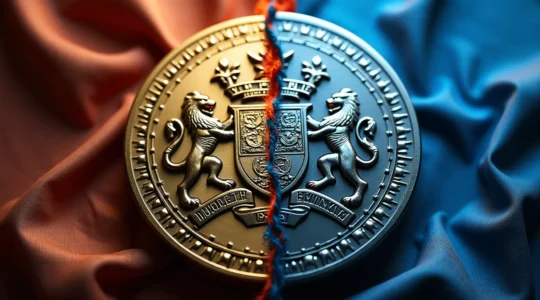
Rebranding Risks: Why Modernizing a Club Crest Can Alienate the Core Fanbase
The rush to modernize a football club’s crest isn’t a simple design update; it’s a high-stakes gamble with the club’s most valuable asset: its identity. Prioritizing digital scalability over emotional history often leads to fan revolt and brand damage. Successful…
Read more
Beyond the Bailout: How Historic Clubs Can Survive Relegation and Reclaim Their Identity
The conventional wisdom that parachute payments save relegated clubs is a dangerous myth; they often create a cycle of dependency that threatens a club’s very existence. True survival hinges on replacing volatile broadcast income with sustainable, community-driven revenue streams. Empowering…
Read more
Why Governing Bodies Were Essential to Standardize Football’s Global Rules
Contrary to the view of football’s rules as a simple administrative text, their global standardization is the product of deep-seated power struggles between tradition and modernity. This historical friction between founding associations and a globalizing FIFA created a deliberately conservative…
Read more
How Do Historic Cities Preserve Footballing Heritage While Modernizing Stadiums?
Successfully modernizing a historic stadium is an engineering challenge of memory, not just a construction project; the soul of the ground can be transferred into a new design. Renovating an existing structure is often more financially and culturally sustainable than…
Read more
What Makes the Copa Libertadores Atmosphere More Intense Than European Tournaments?
The raw passion of South American football is a myth; the Copa Libertadores’ intensity is a calculated, weaponized element of play designed to systematically dismantle opponents. The stadium environment, from high-altitude air to synchronized chants, is actively used as a…
Read more